
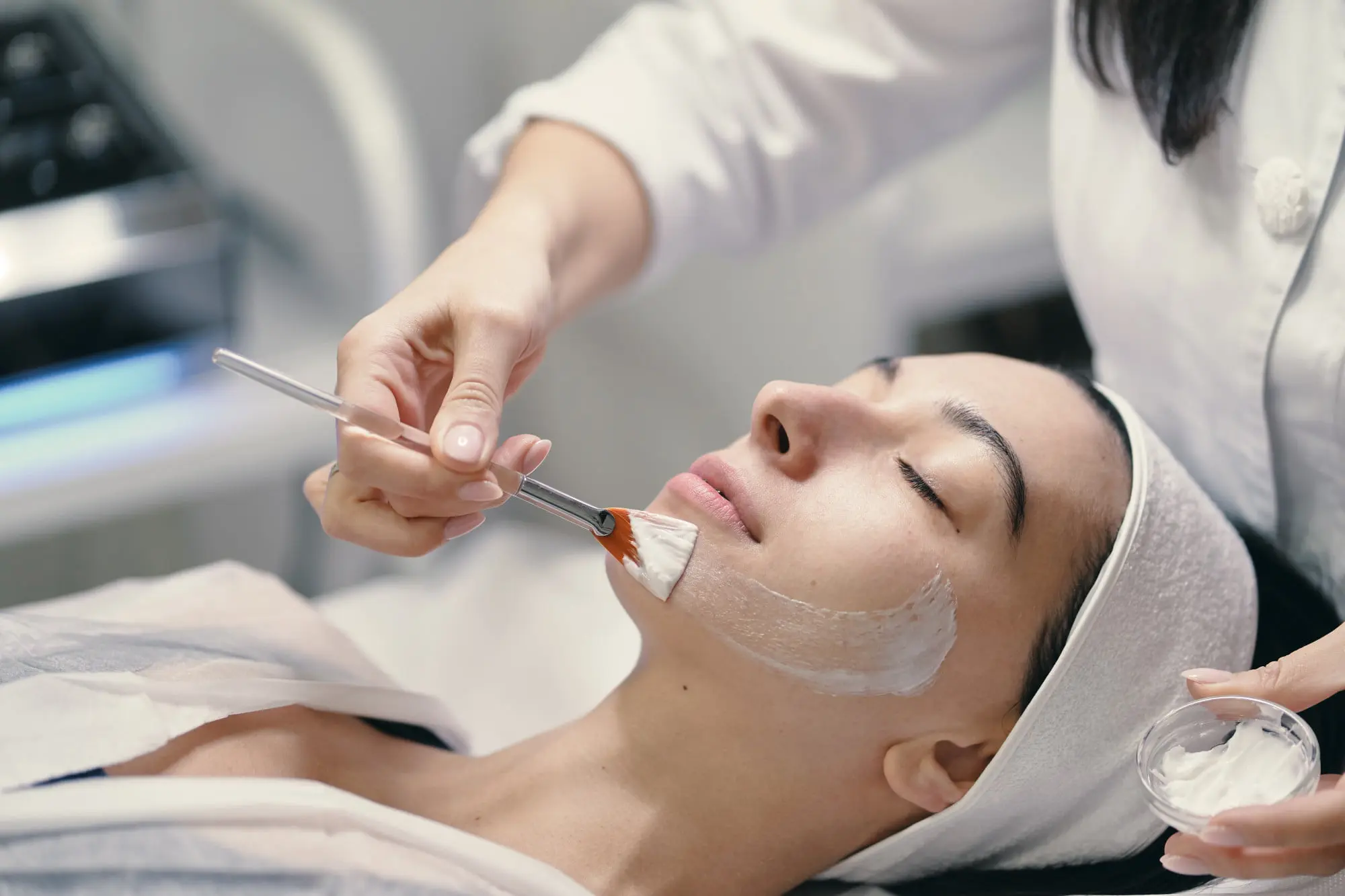
So, what should you really expect after a chemical peel? In short: some redness, a few days of visible peeling, and slowly brighter, smoother skin below. This guide walks through just what to expect after a chemical peel, hour by hour and day by day, so you can heal with confidence instead of guessing.
A chemical peel works by applying a chemical solution to the skin. This causes the outer layers to loosen and eventually peel away. Below, fresher, more even-toned skin is revealed. People often choose a peel to address fine lines, acne scars, sun damage, uneven pigmentation, or rough texture.
A chemical peel creates a controlled injury to the skin. In turn, this triggers your body’s natural healing response. The treatment removes damaged outer cells and encourages the growth of new, healthier skin.
According to the American Academy of Dermatology, chemical peels can reduce many visible signs of aging on the face, hands, neck, and chest, and can also help treat certain skin conditions like acne scarring and discoloration. Because of this, peels remain one of the most common in-office skin treatments available today.
Not every peel produces the same recovery. Instead, what you experience later depends heavily on how deep the peel goes:
Knowing your peel’s depth ahead of time is the single best way to set realistic expectations for what comes next.
Right after treatment, your skin enters its first visible phase of healing. This is completely normal, and it’s a sign the treatment is working as intended. During this window, you might notice:
None of these signs point to a problem. Instead, they show that new collagen production and cell turnover have already begun. That said, avoid scratching or rubbing the area, and stick to the gentle products your provider recommends so you don’t disrupt healing.
Around three to five days after treatment, the visible peeling phase often begins. This is the stage most people picture when they think about peel recovery. Here’s what tends to happen:
It can look a little unsettling if you’re not expecting it, but this is simply your skin shedding damaged cells to reveal fresher tissue below. Above all, resist the urge to pick or pull at the flakes. Doing so raises your risk of infection, uneven pigmentation, and a longer recovery. Instead, let the skin flake off naturally, and use a gentle moisturizer to ease any itching along the way.
Because healing speed depends on peel depth, here’s a closer look at each timeline:
Superficial peel recovery (about 1–2 weeks): Redness and mild irritation appear right after treatment, followed by light peeling around days three to five. By the two-week mark, most people see restored texture and tone.
Medium peel recovery (about 2–3 weeks): Peeling is more intense, and redness lingers longer than with a superficial peel.
Deep peel recovery (several weeks or more): This is the most significant injury of the three, so recovery is longer and often involves prescribed ointments or dressings as part of aftercare.
In each case, healing is a gradual process, and patience genuinely matters. Redness and peeling are early signs your skin is regenerating, and skipping irritants throughout this window supports a smoother recovery. For deeper concerns like melasma, more than one session may be needed to reach your goals.
Proper aftercare protects your results and speeds up healing. A few essentials:
Altogether, a simple and gentle routine during this window goes a long way toward a smooth recovery.
Freshly treated skin is significantly more sensitive to UV rays, since the peel for now removes some of the skin’s natural protective barrier. Without proper sun protection, you risk prolonged redness, uneven pigmentation, and even scarring.
The Aesthetic Society advises skipping direct and indirect sun exposure until any redness has fully faded, and continuing daily sunscreen and a wide-brimmed hat well beyond that point. This guidance is mainly important after a deeper peel, since some strong peeling agents can reduce your skin’s natural ability to tan for a period of time.
A few practical habits make this easier:
Ultimately, consistent sun protection is what separates a good peel result from a disappointing one — the treatment does its job, but your sun habits determine how long the improvement lasts.
A few temporary side effects are common, and knowing how to handle them makes recovery far less stressful.
Breakouts. Small pimples or clogged pores can appear as your skin sheds its outer layer. Often, these clear up quickly on their own. In the meantime, avoid heavy or pore-clogging products, and resist picking at any blemishes.
Inflammation and swelling. Mild redness, warmth, or puffiness is a normal response to the peel. A cold compress for 10 to 15 minutes at a time can help, and keeping your head elevated while resting reduces facial swelling.
Discomfort. Tightness, burning, or tenderness sometimes lingers during early recovery. Over-the-counter pain relievers like acetaminophen or ibuprofen can help, though you should check with your provider if discomfort continues longer than expected.
Throughout all of this, staying hydrated and sticking to fragrance-free products supports your skin’s natural healing process.
Chemical peels are often safe for all skin tones, but a few groups need extra care and planning.
Darker skin tones. Pigment-making skin cells can react more strongly to injury. Because of this, darker skin carries a higher risk of dark patches after healing, known as post-inflammatory hyperpigmentation (PIH). The American Academy of Dermatology notes that people with skin of color can safely get a chemical peel, though it’s best to see a provider who has real experience treating deeper skin tones. That provider may suggest a gentler, surface-level peel, plus strict sun protection and pigment-control products later.
Certain medical conditions and medications. A peel may need to be delayed or adjusted if you have:
Sharing your full medical history during your consultation helps your provider choose the safest, most effective peel depth for you.
Knowing what to expect after a chemical peel also means knowing what happens once the visible peeling stops — which is just where follow-up care comes in. Follow-up visits are a meaningful part of your recovery, not just a formality. During these check-ins, your provider can:
Skipping these appointments makes it easier for small issues to go unnoticed. In short, consistent follow-up is what turns a single peel into a lasting, well-managed skincare plan.
So, what to expect after a chemical peel really comes down to a predictable pattern: some redness and tightness right away, visible peeling within the first week, and slowly smoother, brighter skin as healing completes. The exact timeline shifts depending on how deep your peel is, but the underlying process stays the same.
A few reminders as you plan your recovery:
Ready to find the right fit for your skin? Book a consultation to talk through your options for a chemical peel treatment.
Mild redness, tingling, dryness, and slight swelling are all normal in the first day or two. These are simply signs your skin has started healing.
Visible peeling often starts three to five days after treatment. Superficial peels tend to heal within one to two weeks, while medium and deep peels can take several weeks longer.
Stick to gentle, fragrance-free cleansers and moisturizers, skip makeup for one to two weeks, avoid exfoliants until you’re fully healed, and apply broad-spectrum SPF 30+ daily.
Yes, with the right precautions. Choosing a provider experienced with deeper skin tones and following strict sun protection later both help minimize the risk of pigmentation changes.
Follow-up visits let your provider monitor healing, catch potential complications early, and plan any future sessions based on how your skin really responds.