
Are you wondering, “Can Botox help TMJ?” Botox has gained attention as a possible way to ease muscle tension and reduce pain. In this article, we’ll explain how TMJ works, how Botox may help, what to expect during treatment, and other ways to manage symptoms safely and effectively.
Temporomandibular Joint Disorder (TMJ) is a set of problems that affect the jaw joint and the muscles used for chewing, talking, and yawning. The TMJ works like a hinge, connecting the jawbone to the skull so the jaw can move smoothly. When this joint or the muscles around it don’t work properly, it can cause pain and make it hard to use the jaw, affecting everyday activities.
Common TMJ symptoms include:
TMJ symptoms can come from many sources, like inflammation, joint misalignment, and teeth grinding. You might notice that your mouth doesn’t open fully, or you may hear clicking, popping, or feel your jaw locking when you move it. These problems can make eating, speaking, and even sleeping difficult.
Treatments often focus on managing pain and muscle tension rather than fixing every underlying issue. For example, providers use Botox injections to relax overworked jaw muscles and reduce discomfort.
Other cosmetic treatments can also support TMJ symptom relief. Dermal fillers can improve facial balance and may boost confidence. Hydrafacials can refresh the skin and help if chronic pain and stress have affected your complexion.
If frequent shaving or waxing around the jawline adds to your stress or irritation, laser hair removal can offer a more lasting solution.
Botox, also called botulinum toxin, is a protein that relaxes muscles. It works by blocking the nerve signals that cause muscles to contract. In TMJ treatment, this helps reduce jaw tension and pain.
In TMJ treatment, Botox works by blocking the release of acetylcholine. Acetylcholine is a chemical messenger that carries signals from nerves to muscles. When providers inject Botox into targeted jaw muscles, it stops these signals. This causes the muscles to relax or become temporarily paralyzed. As a result, it helps reduce muscle tension and spasms often linked to TMJ disorders.
Key target muscles for Botox injections include:
By targeting overactive jaw muscles, Botox helps reduce pain from muscle strain. It can also lessen involuntary clenching or grinding (bruxism). By relaxing these muscles, Botox indirectly lowers inflammation caused by constant stress.
Beyond Botox, people with TMJ symptoms may benefit from other treatments. For example, Refresh Medspa offers chemical peels that improve skin texture and brightness. They also provide advanced light therapy, such as Forever Clear BBL.
Studies on Botox for TMJ show encouraging results. Research suggests that Botox injections can significantly reduce symptoms of temporomandibular joint disorders. Studies show that patients feel less pain and have fewer muscle spasms after treatment. This improvement happens because Botox targets the jaw muscles responsible for tension.
The typical duration of symptom relief ranges from 3 to 6 months, depending on individual response and dosage. Most patients start to feel better within a few days to a couple of weeks after their injections. The best results are usually seen about 4 to 6 weeks after treatment.
Research highlights that while Botox is not a cure, it serves as an effective management tool for reducing TMJ symptoms. Research highlights that Botox works best when combined with other treatments for lasting relief.
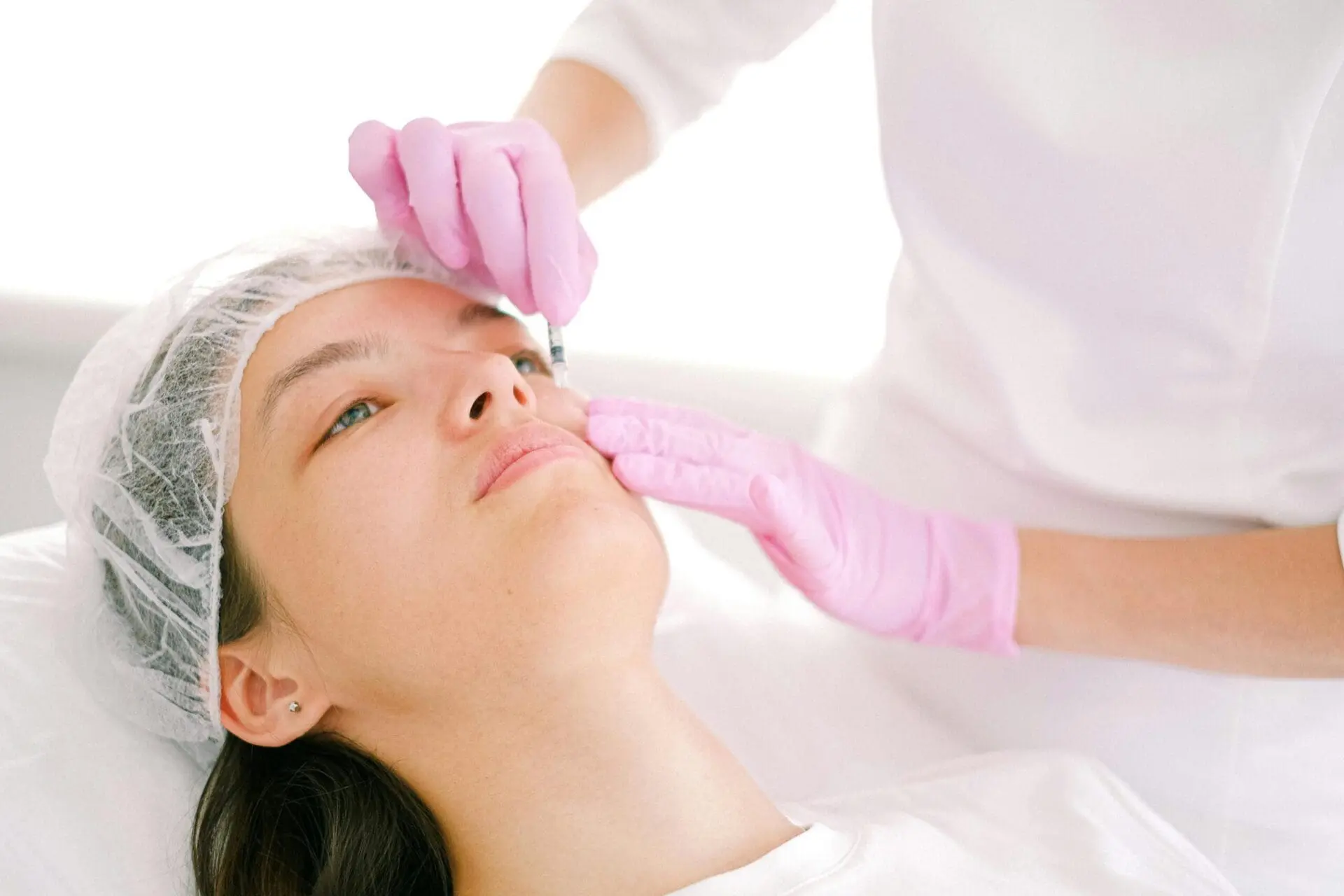
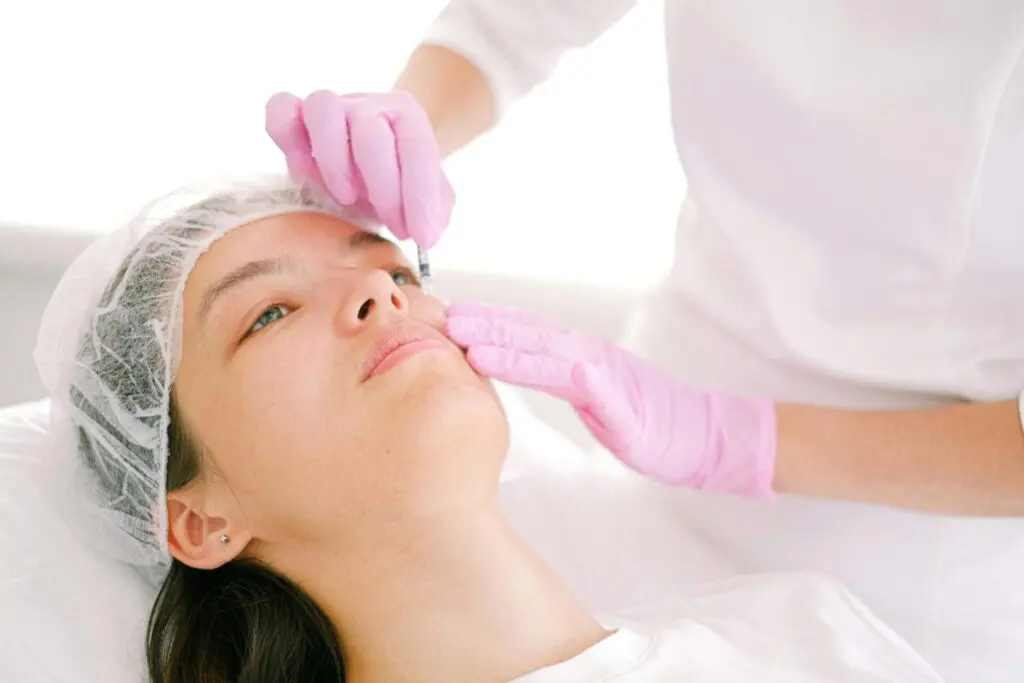
Providers usually perform the Botox injection procedure for TMJ as an outpatient treatment. This means you can go home on the same day. Before the procedure, you’ll have a consultation with your healthcare provider. During this meeting, they will check your symptoms and determine the exact areas where the injections will be given. The main focus will be on specific muscles such as the masseter and temporalis.
A typical session lasts between 10 to 30 minutes, making it a convenient option even for busy schedules. Relief from symptoms does not happen right away. Most patients feel better within a few days to two weeks. During this time, relaxed muscles reduce jaw tension, ease pain, and make it easier to move the mouth.
After the procedure, it’s important to avoid any strenuous activities involving your jaw for a short period of time. Also, follow your provider’s instructions. This helps you get the best results and lowers the chance of side effects.
It’s important to understand the safety of Botox injections before trying them for TMJ. Botox has been used for many years in both medical and cosmetic treatments, giving a strong track record to assess its safety for TMJ care.
Common Botox side effects TMJ patients may experience include:
These minor side effects usually fade within a few days without further treatment.
Potential complications tied to muscle relaxation in the jaw area include:
Although rare, some patients report:
The safety of Botox depends on having it administered by qualified healthcare professionals. Using the wrong injection technique or dosage can increase the risk of side effects or complications. Patients should share their full medical history with their provider. This includes any neuromuscular conditions, allergies, or medications that could affect treatment safety.
No treatment is completely risk-free, but studies show that Botox for TMJ is generally well tolerated. Side effects are usually mild and manageable when the treatment is done properly. Some patients may also explore alternative or complementary therapies. For example, PRP facials use the patient’s own platelet-rich plasma for natural skin rejuvenation. This can improve overall well-being and may be combined with other treatments for TMJ.
Botox can temporarily relieve muscle tension and pain from TMJ disorders, but it does not address the underlying causes. Botox targets only the muscle activity, which means symptoms may return once the effect wears off.
Another key consideration is that Botox remains an experimental treatment for TMJ. It has not received FDA approval specifically for this use. This shows that more research is needed to know how safe and effective it is for treating TMJ in the long term. Patients should be aware that insurance companies often do not cover Botox injections for TMJ due to this lack of formal approval.
When asking Can Botox Help TMJ?, you must weigh these factors:
Knowing these limits can help you have real expectations if you are thinking about Botox for TMJ.
Botox is one option, but several alternative TMJ treatments exist to address symptoms effectively:
If you’re wondering whether Botox can help your TMJ, it’s best to explore options with a healthcare professional. This ensures a comprehensive plan tailored to your needs.
Aesthetic treatments can help you feel better and more confident while you get TMJ treatment. For skin rejuvenation, advanced options such as Sciton BBL Heroic, available at Refresh MedSpa in Cape Coral, FL, may also be beneficial.
TMJ disorder is a group of conditions that affect the jaw joint. It can cause pain and make it hard to move your jaw.
Botox, also called botulinum toxin, relaxes key jaw muscles, like the masseter. This helps reduce muscle tension and ease pain from TMJ.
Botox mainly targets the masseter muscle. Other nearby muscles that control jaw movement and tension may also be treated.
Research shows Botox can help many people with TMJ. It may lower pain and improve jaw movement.
The provider cleans the skin around your jaw. Then, Botox is injected into the targeted muscles. The procedure is usually quick and simple.
Common side effects may include mild bruising, swelling, or temporary muscle weakness. Serious problems are rare when Botox is given by a trained professional. Proper administration is crucial to ensure safety.