
Migraines cause severe head pain, nausea, and sensitivity to light and sound. For many people in Cape Coral, FL, they interfere with work, sleep, and daily life. Botox is now a recognized medical treatment, not just a cosmetic one. But can Botox help with migraines? Yes, it can help lower how often migraines happen and how strong they feel. It works by relaxing tight muscles and blocking pain signals.
This article explains can Botox help with migraines, how the treatment works, who may benefit most, and what to know before getting care in Cape Coral, FL.
For those who want to learn more about this treatment, it is best to speak with trained providers. These professionals understand migraine care and treatment needs. Clinics like Refresh Med Spa offer Botox for migraines. They also follow strict privacy rules, including the HIPAA privacy statement. This helps protect your personal health information and build trust.
Migraines are more than just regular headaches. They are a neurological condition characterized by intense, often debilitating head pain. Unlike tension headaches, migraines often affect one side of the head. They can also last for hours or even days.
Common migraine symptoms include:
Chronic migraines mean headaches happen 15 or more days each month. At least 8 of those days show migraine signs. As a result, work, focus, and daily life can suffer.
Beyond head pain, migraines often cause fatigue, irritability, and cognitive difficulty. However, it is important to tell migraines apart from tension headaches. This matters because treatment options, like Botox, are not the same.
Botox is a purified form of botulinum toxin derived from Clostridium botulinum. In small, controlled doses, it blocks nerve signals that activate muscle contraction. This is the foundation of how Botox works for migraine prevention and why the answer to Can Botox Help with Migraines is often yes for chronic sufferers.
Botox blocks the release of acetylcholine. This is the chemical that tells muscles to tighten. When these signals are blocked, the targeted muscles experience temporary paralysis or relaxation. This effect usually lasts several months before muscle activity gradually returns.
Many migraines are linked to muscle tension and spasms in areas such as the jaw, forehead, and neck. These tight muscles can trigger or worsen migraine attacks. The muscle relaxation Botox provides reduces this tension significantly.
Teeth grinding and jaw clenching often add stress to the face and jaw. As a result, this tension can trigger migraines. Botox helps by relaxing these tight muscles. This eases pressure on nearby nerves. In turn, migraine pain may occur less often. The calming effect of Botox helps reduce muscle overuse. Because of this, migraine triggers become less active. Botox does more than hide pain. Instead, it treats one main cause of migraines. This makes it helpful for many people with chronic migraines.
Botox treatment in Cape Coral is easy to access. Many local medical and dental offices offer this service. These providers focus on muscle tension and nerve signals tied to migraines. In addition, they are trained to use Botox for medical care. This training goes beyond cosmetic use.
Migraine injections in Cape Coral often use several injection spots. These are placed around the head and neck. Common sites include:
These spots are chosen to relax muscles linked to migraines. Common targets include the jaw and tight neck muscles. Targeting these locations helps reduce pain signals and muscle spasms that trigger migraines.
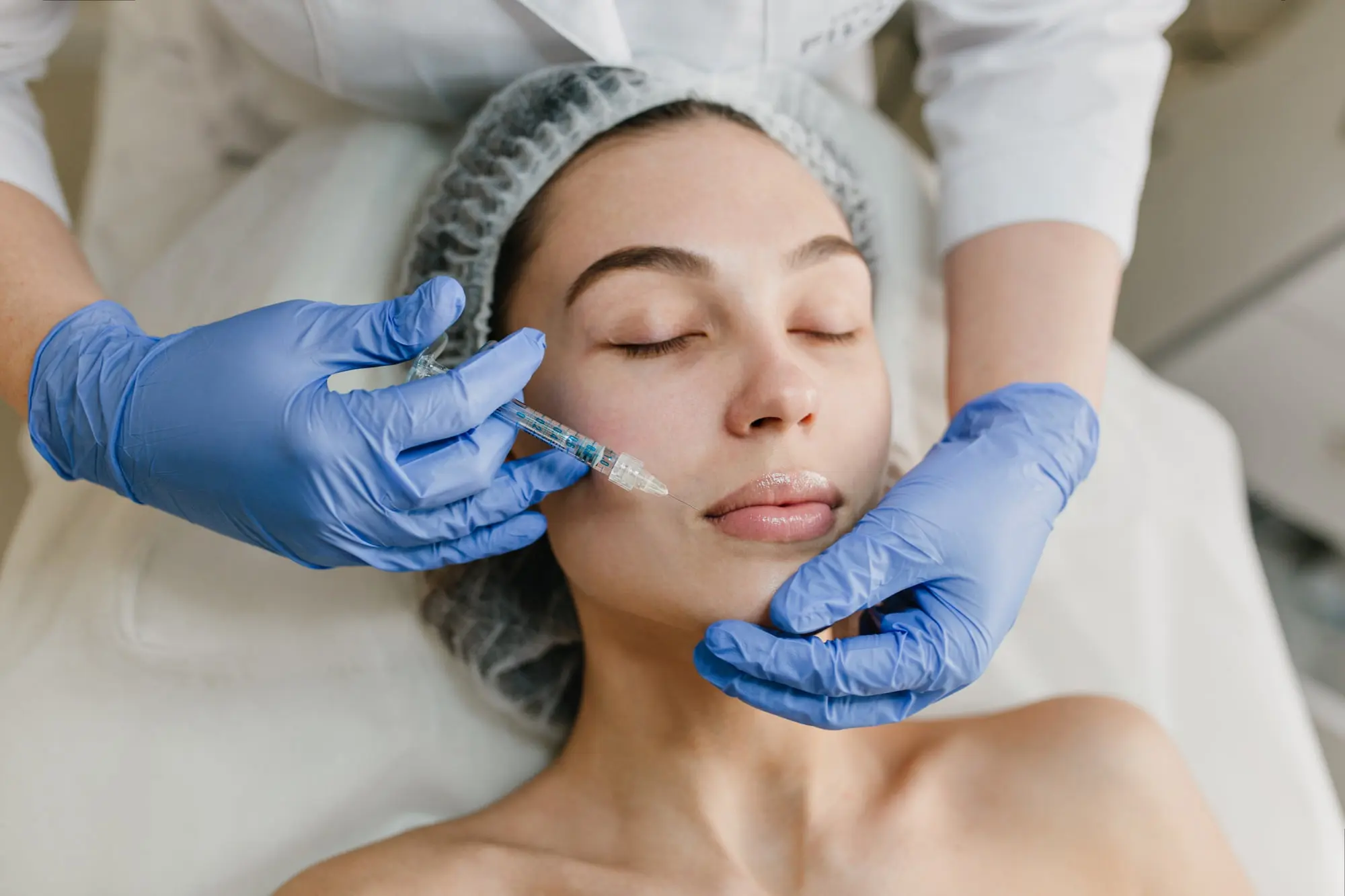
When you receive Botox treatment for migraines in Cape Coral, the procedure typically follows these steps:
The precise technique varies depending on individual symptoms and muscle involvement. Licensed practitioners emphasize safety, accuracy, and patient comfort throughout the session.
Botox provides several proven benefits for chronic migraine sufferers:
When thinking about Botox for migraines, it helps to know the risks. Botox is safe when given by skilled providers. Still, all medical treatments have some risks. Side effects are usually mild and short-term. Talking with your provider helps set clear expectations.
These mild side effects do not last long. They are often easy to manage without extra care.
Though uncommon, more significant risks deserve attention:
Still, some people need to be careful. Those with nerve or heart issues should talk with their provider first.
Administering Botox for migraines demands precision and expertise. Choosing licensed medical professionals ensures:
In Cape Coral, FL, licensed providers usually use thin needles. They may also use numbing cream or ice to reduce pain. Their training reduces risks significantly compared to unqualified providers.
Overall, knowing these safety points helps you decide wisely. It also lowers the risk of unwanted side effects.
When considering Botox precautions for migraine treatment, safety is a priority. You need to be aware of specific factors before proceeding with injections in Cape Coral, FL.
Safety data on Botox use during pregnancy or breastfeeding is limited. In general, providers suggest waiting until after pregnancy and breastfeeding. This helps avoid possible risks to the baby.
Some medical conditions and medications can affect how your body responds to Botox. Share your full medical history with your provider, especially if you have:
Before treatment, your provider will review your health history. This helps decide if Botox is safe for your migraines.
Following the injection, proper care helps maximize benefits and reduce side effects. Key post-treatment guidelines include:
Adhering to these precautions supports effective migraine relief and minimizes complications.
These practical steps contribute to better migraine treatment safety when using Botox. By knowing and following these steps, you can make informed choices. This supports safe care when asking, Can Botox Help with Migraines in Cape Coral, FL.
Finding the right candidates for Botox migraine care is important. It helps ensure safe treatment and better relief. Botox is primarily recommended for:
Chronic migraine patients have headaches on 15 or more days each month. Many of these headaches last four hours or longer. Often, standard migraine drugs do not work well. Because of this, Botox may be a better option. Many patients see fewer and less severe migraines after treatment.
Jaw and face muscle tension can make migraines worse. TMJ issues and jaw clenching often cause this strain. Botox works by relaxing these muscles. This helps lower one major migraine trigger. In some cases, Restylane injections may also help with muscle tension.
Botox is not suitable for everyone. Some migraines are not chronic. Others respond well to regular medication. In these cases, Botox may not be needed. Also, migraines with nerve-related causes may need other care. A neurologist or headache specialist can guide you based on your symptoms.
But some patients need extra care. Those with complex health issues or unclear symptoms should get a full medical check first. Proper patient selection contributes significantly to achieving meaningful migraine relief through Botox injections.
Most patients follow a set treatment plan from their provider. These visits are often spaced a few months apart. This timing helps keep relief steady. It also helps stop migraines from coming back strong. Your provider will adjust the schedule if needed.
Yes. Changes in air pressure can trigger migraines. Heat and high humidity can also play a role. Even so, Botox can lower how often migraines happen. It may also reduce how severe they feel. Results can vary by person.
The medicine used is the same. However, the dose is different. The injection spots also change. For migraines, treatment targets nerves and muscle tension. Cosmetic Botox focuses on wrinkles.
Medical Botox aims to treat pain, not shape the face. Injections target muscles linked to migraine signals. Because of this, facial features usually stay the same. Most patients do not notice cosmetic changes
Many patients use Botox alongside preventive or rescue medications. Your provider will determine the safest combination based on your medical history.