
How Long Does Laser Hair Removal Last?
Treatment: Laser Hair Removal
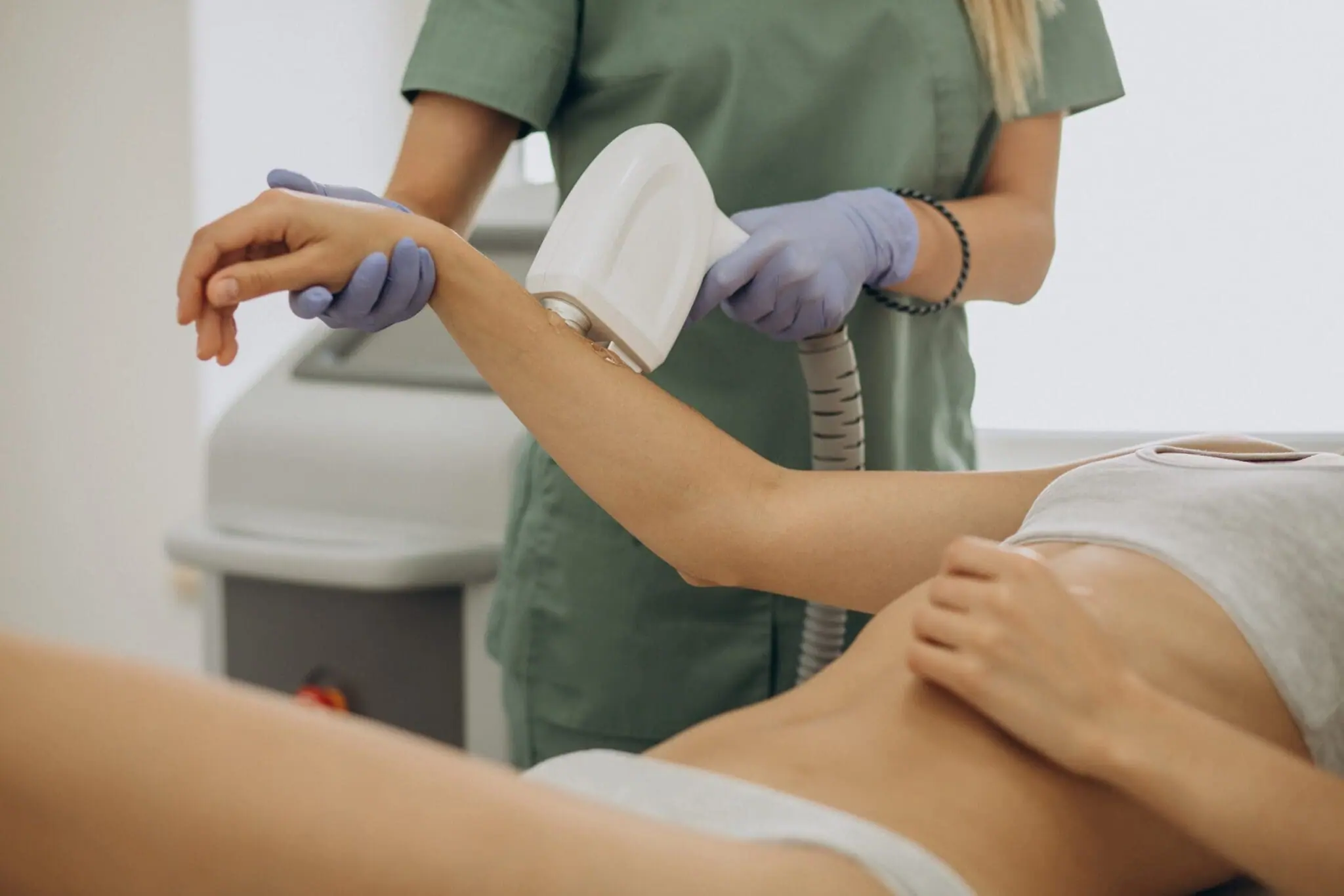
Reduced hair growth can last months or years, but some hair may return and need touch-ups. Refresh MedSpa usually plans 6 to 8 sessions to start, with later visits based on regrowth. Your hair color, treatment area, hormones and response affect how long the result lasts. The clinic uses Forever BARE BBL®, a broadband-light system. The goal is lasting hair reduction, not a promise that every hair will stay gone.
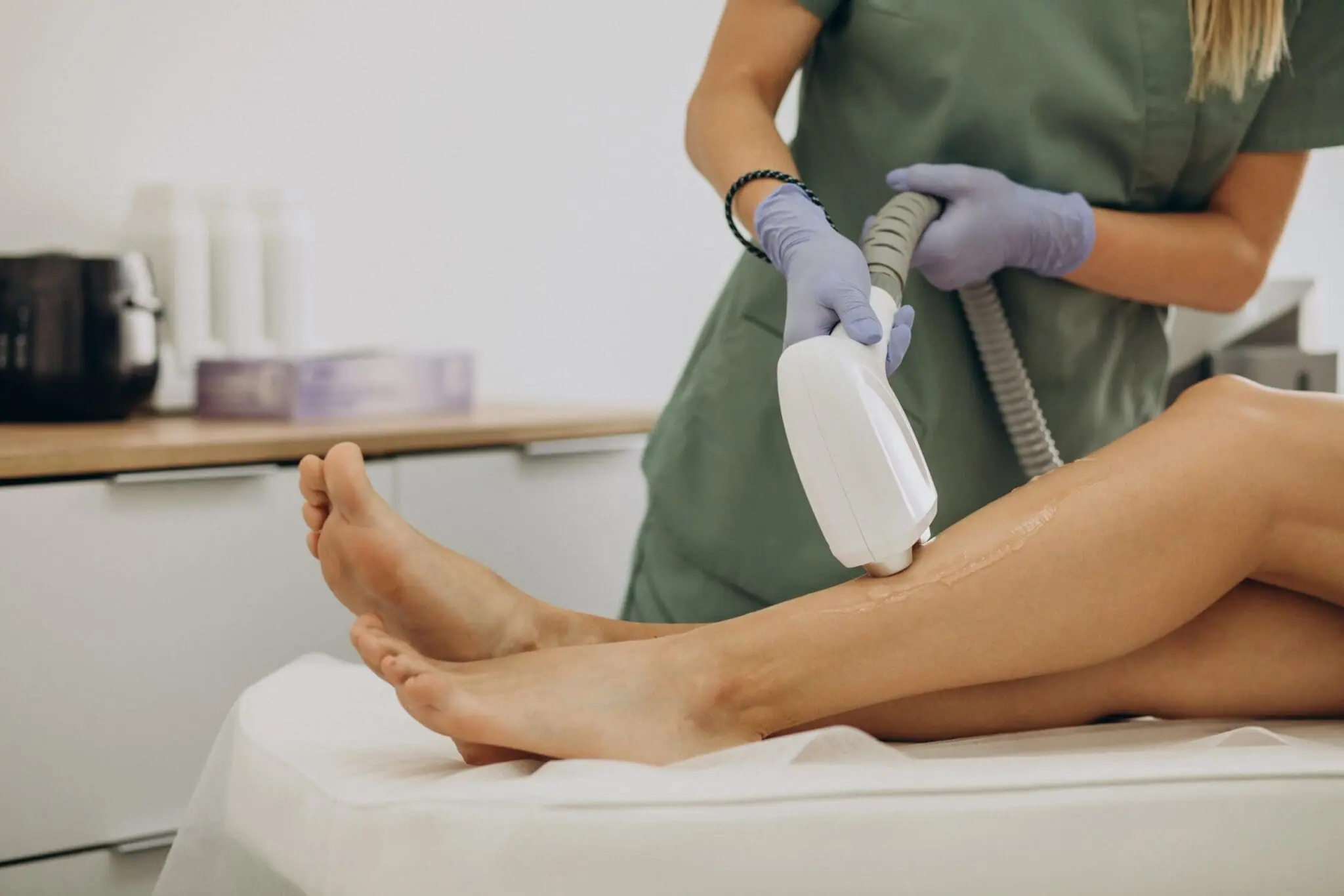
What does lasting hair reduction mean?
Lasting reduction means fewer hairs grow back over time. You may still have some hair, even after a full series. Returning hair can be finer or less noticeable, but results differ.
The American Academy of Dermatology describes laser hair-removal results as lasting months or years, with maintenance sometimes needed. That broad range is not a measured result for Refresh’s clients or a promise about your skin.
Try to define what a useful result would mean for you. It might be less frequent shaving, fewer coarse hairs or less daily upkeep. That gives you a clearer way to judge progress than expecting no hair at all.
Which device does Refresh use?
Alexia Cedrone, our Certified Laser Technician, Licensed Medical Esthetician and Certified Electrologist, performs laser hair removal and electrolysis at Refresh. Electrolysis is $5 per minute, with a minimum charge per visit; the clinic confirms your total before treatment. Laser hair removal consultations take a $50 deposit, applied to a future service.
Our laser hair removal service uses Forever BARE BBL on the Sciton® platform. It delivers broadband light, not a laser beam. Repeated low-energy pulses build heat in the follicle, the small structure that grows hair.
Sciton’s BBL platform is cleared by the FDA for permanent hair reduction. “Permanent reduction” describes a lasting decrease in regrowing hairs. It does not promise complete removal or make every skin-and-hair combination suitable.
Why can hair return?
Hair grows in cycles. Light treatment is most effective during active growth, and your hairs are not all in that phase at once. This is why one visit cannot be expected to finish treatment.
Some hair may remain after the first series. Hormone changes can also affect growth, especially on the face. Light treatment reduces hair; it does not treat a hormone disorder.
Tell a medical clinician about sudden or marked new hair growth, especially with other new symptoms. More cosmetic sessions should not replace assessment of a possible health cause.
What affects how long results last?
| Factor | Why it matters for your plan |
|---|---|
| Hair color | Dark pigment gives light treatment a target; very light hair may respond poorly |
| Treatment area | Facial hair may be influenced by hormones |
| Skin tone and tanning | The device and settings must suit your skin; a tan can delay treatment |
| Response to the first series | Remaining growth guides whether further treatment is useful |
| Changes in health or medicines | New growth or safety concerns may call for reassessment |
White, gray, red or very light blond hair may not respond well. Adding more sessions does not reliably solve the lack of pigment. Fine hair also needs careful assessment rather than a promise of the same result as coarse hair.
In general, laser hair removal works best on dark, coarse hair against light skin. The contrast helps the hair absorb light. Your provider must still assess whether Refresh’s broadband-light system fits your skin and hair.
When should you consider a touch-up?
Consider a review when regrowth bothers you, rather than booking by the calendar alone. A few scattered hairs may call for a different plan than broad regrowth.
Ask your provider:
- Is the returning hair suitable for more light treatment?
- Has enough regrowth appeared to treat?
- Has my skin healed, and has any tan faded?
- Would another visit be useful for my goal?
Refresh lists a 10-minute touch-up at $150. Your provider needs to assess whether that option fits the area and growth. See hair-removal prices by area and the full pricing page for standard fees.
Maintenance timing depends on your regrowth, skin and goals.
How to judge progress
Look at changes in growth after the skin has recovered. You can note how often you shave and which patches still have coarse hair. If you take comparison photos for yourself, use similar lighting and the same time since shaving.
Strong pain, blisters or a worsening reaction are reasons to contact your provider.
A delayed session may stretch the overall timeline. Ask your provider when to resume based on your skin and hair growth.
Care between visits
Protect treated skin from sun and tanning. Use gentle products while healing. Once the skin has healed, ask about shaving between visits; avoid waxing and plucking because they remove the target hair.
Do not pull at hairs to speed shedding. Keep scrubs, strong acids and peels off recovering skin unless your provider advises otherwise. Our hair-removal aftercare guide explains what to do and when to call.
Check that another session still suits you
A past treatment does not guarantee that another one is appropriate now. Review any new medicines, recent isotretinoin, cold sores or healing problems. Disclose drugs that increase light sensitivity, and ask the prescriber before stopping anything.
Wait if you have a fresh tan, sunburn, infection or open skin. Defer elective light treatment during pregnancy or nursing. Your provider should reassess skin tone, hair color and the exact area before proceeding. Hair-removal light can also affect tattoo pigment, so tattooed skin is not treated directly. See laser hair removal and tattoos.
Blisters or broken skin need an immediate call to the treating clinic. Worsening pain, redness or swelling needs prompt assessment. Do not keep a treatment appointment at the expense of healing.
To discuss regrowth or a first course of laser hair removal in Cape Coral, book a consultation. Bring your treatment history and describe the growth you want to reduce.
Frequently Asked Questions
Does laser hair removal last forever?
It can give lasting reduction, but it cannot promise that every hair stays gone forever. Some hair may return over months or years. Further treatment depends on that regrowth and your goals. Refresh plans lasting reduction, not a promise that every hair stays gone.
How long do results last after six sessions?
Six sessions do not set a fixed result length. Refresh’s starting plan is usually 6 to 8 visits, and response varies. Hair reduction can last months or years, so review the remaining hair before deciding on more treatment. Your provider can explain what a reasonable plan looks like for your hair and skin.
Who is a good candidate for laser hair removal?
Laser hair removal tends to work best on dark, coarse hair, because pigment gives the light a target. Your provider must also check that Refresh’s broadband-light system suits your skin tone and hair. White, gray, red and very light blond hair may respond poorly. Electrolysis is an option for those hairs.
What is the aftercare for laser hair removal?
Protect treated skin from the sun and tanning, and use gentle products while it heals. Mild redness for 24 to 48 hours is typical. Ask when shaving is okay, and avoid waxing, plucking, scrubs and peels. Call your provider for blisters or worsening pain. See the aftercare guide.
Do I need a touch-up every year?
You do not need a fixed annual touch-up schedule. Your provider should assess the amount and type of regrowth first. Refresh lists a 10-minute touch-up at $150.
Will more sessions work on gray or blond hair?
More visits may not help hair that lacks enough pigment. White, gray, red and very light blond hair can respond poorly or not at all. Refresh also offers electrolysis, which treats hairs one at a time and does not rely on hair pigment. Ask about it before paying for a longer course.
Why am I more hairy after laser?
Hair waiting to shed can look like new growth for days to weeks after treatment. Hormone changes can also cause new growth, and light-based hair removal can sometimes trigger extra growth. Ask your provider to assess hair that keeps getting denser before booking more sessions.
What happens if I shave 3 days after laser?
Shaving at 3 days can irritate skin that has not healed. It cuts hair at the surface and does not undo treatment in the follicle. Wait until your skin has healed and your provider agrees before shaving again. Waxing and plucking should stay off the list.
Hair reduction and regrowth vary, even after a planned course is complete. This article provides general education and is not personal medical advice.
Your provider can help assess returning hair and whether more treatment is worthwhile. Review your current skin and health before each new session.