
What Triggers Rosacea Flare-Ups? Common Causes to Avoid
Treatment: BBL Photofacial Condition: Rosacea
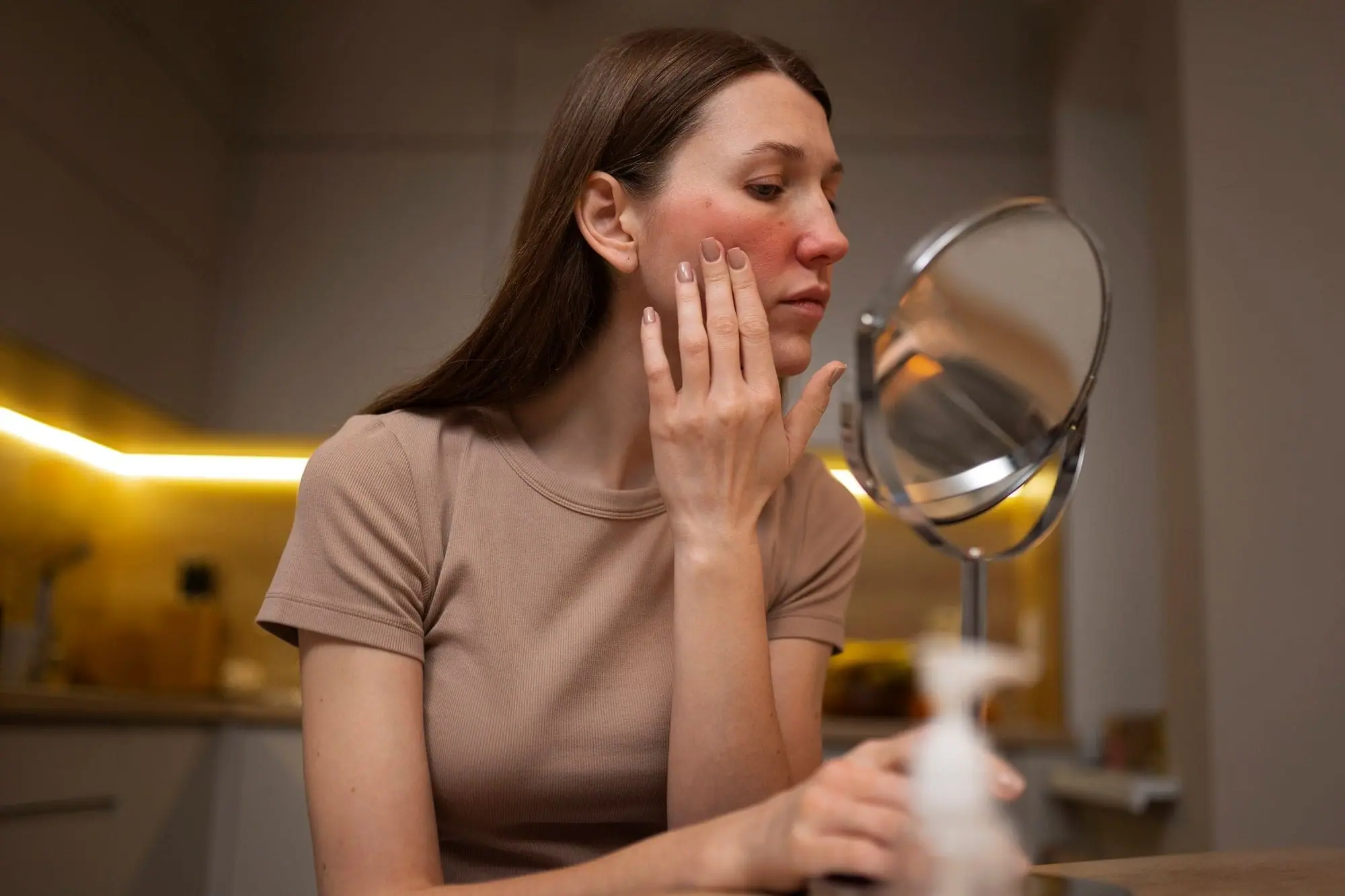
Common rosacea triggers include sun, heat, cold wind, stress and alcohol. Spicy foods, hot drinks and harsh skin products may also cause flares. Exercise can also trigger flushing, especially when you get hot. Your triggers may differ from someone else’s. Keep a daily log for at least 2 weeks to look for patterns. Trigger control can help, but it does not replace medical care.
Safety: skin symptoms, eyes and cosmetic care
Rosacea can cause flushing, lasting redness, visible vessels and bumps that may look like acne. It can also affect your eyes, sometimes before skin symptoms are clear. Get prompt medical advice for eye irritation, dryness or redness. Eye pain, light sensitivity or a change in vision needs urgent assessment.
A clinician should assess repeated facial redness if you have not been diagnosed. Review prescribed skin products and medicines before changing them, even if you think they trigger a flare.
For cosmetic light treatment, defer during pregnancy or nursing and postpone for a fresh tan or sunburn. List drugs that make your skin more sun-sensitive. Also share any cold sores, poor healing or active skin disease. Skin tone and the treatment area need assessment.
What causes rosacea and its flares?
Heat is one of the most common triggers. Warm rooms, hot showers, hot drinks and hot weather can widen the blood vessels in your face and bring on flushing. In Southwest Florida, where warm weather lasts much of the year, cooling down after time outside may help.
The exact cause is not fully understood. Genes, the immune system and environmental factors may play a part. Triggers can make blood vessels in the face widen. This can cause flushing. Inflammation also helps explain redness and bumps.
A trigger brings on symptoms in someone prone to rosacea. Finding your triggers may help you reduce flares.
Common rosacea triggers and practical changes
Food and drink triggers differ from person to person. Hot coffee or tea, spicy dishes and alcohol are the ones most often mentioned. Some people also report flares after dairy such as yogurt. Rather than cutting foods at random, use the diary below to see whether a pattern shows up for you.
You do not have to avoid everything on a trigger list. Start with what seems to affect you.
| Possible trigger | A change to try if it causes flares |
|---|---|
| Sun exposure | Use shade, a hat and a gentle broad-spectrum sunscreen |
| Heat | Cool the room and use warm rather than hot shower water |
| Cold wind | Protect your face with a soft covering that does not rub |
| Hot drinks | Let coffee or tea cool before drinking |
| Spicy food | Try a milder version and note the response |
| Alcohol | Reduce or avoid the drink that causes flushing |
| Stress | Build in a calming activity that you can use often |
| Irritating products | Simplify the routine and review products that sting |
| Exercise heat | Choose a cooler setting, shorter sessions or more breaks |
For daily sun care, use broad-spectrum SPF 30 or higher. A fragrance-free formula with zinc oxide or titanium dioxide may be easier to tolerate. Shade and a hat add protection.
Track how alcohol affects you
Red wine and other alcoholic drinks can trigger a flare. Track the drink and the symptoms that follow. If a pattern appears, reducing or avoiding that drink may help.
Stress and anxiety
Emotional stress, including feeling anxious, can trigger flushing. Try a small habit you can repeat, such as a quiet break or slow breathing. Note whether it helps you feel calmer and whether your skin reacts differently.
Shorter workouts, a cooler room and rest breaks may also help when activity makes you hot. Choose changes you can keep up alongside your medical care.
Why might rosacea feel worse at night?
Evening redness may follow a trigger in your routine. It might be a hot shower or a warm bedroom. Alcohol with dinner or a skin product used before bed may also play a part. These are clues to check, not a diagnosis of your nighttime flare.
Write down when symptoms start and what happened beforehand. Include whether you felt hot and which products you used. Compare several evenings rather than deciding from one episode.
Include burning and sleep disruption in your notes so they can be reviewed with the pattern of redness.
Use a simple trigger diary
The American Academy of Dermatology suggests tracking possible triggers each day for at least 2 weeks. Your notes can be short.
| What to record | Example of a useful note |
|---|---|
| Time and symptoms | Cheeks felt hot after dinner; redness lasted into the evening |
| Heat and sun | Outdoor lunch, hot shower or warm workout |
| Food and drinks | What you had, including how hot the drink was |
| Skin products | Product name and whether it stung |
| Stress and activity | A stressful meeting or exercise before the flare |
| Medicine changes | New medicine or dose change to discuss with the prescriber |
Look for repeated links over several days. Make one manageable change at a time so you can see whether it helps. Avoid testing a trigger that has caused severe symptoms.
Bring the notes to an appointment. They can make it easier to explain what you have tried and where you need help.
Choose skin care that does not sting
Use gentle cleansing and avoid rubbing the face. A fragrance-free moisturizer may help dry, sensitive skin feel more comfortable. Try new products with care. Stop a new over-the-counter product if it makes your skin sting or burn.
Alcohol, fragrance and witch hazel in skin products can trigger irritation. Scrubs, strong acids and harsh toners can also worsen it. Keep the routine simple and note which products sting.
Medicines and hot flashes
Some medicines can worsen flushing. These include vasodilators, drugs that widen blood vessels. Steroid creams on the face can worsen rosacea. Use them only when your skin doctor advises it.
Hot flashes around menopause may trigger rosacea symptoms. Record them alongside medicine changes in your diary. The prescriber can review a possible drug trigger and keep your other care on track.
Trigger control and treatment work together
Avoiding a trigger may reduce flares, but it may not clear lasting redness, bumps or visible vessels. A dermatologist can diagnose the condition and discuss medical treatment.
Our rosacea page explains the broader care question. For suitable skin, light treatment may help reduce visible vessels or redness. It does not cure rosacea or treat eye symptoms.
Refresh offers Sciton® BBL® HEROic, performed by Alexia Cedrone, a Certified Laser Technician and Licensed Medical Esthetician. A face session is $600, and the usual series is 3 to 5 sessions, 3 to 5 weeks apart. The BBL photofacial service page explains that option. The guide to what a BBL photofacial treats covers its treatment targets and limits.
For skin redness that may suit light treatment, review BBL photofacial in Cape Coral and the pricing page. Book a consultation to discuss whether this option fits your skin after medical needs have been addressed.
Frequently Asked Questions
What’s the worst thing for rosacea?
There is no single worst trigger for everyone. Sun, heat and irritating skin products are common triggers, but your own pattern matters most. A diary kept for at least 2 weeks helps you choose which changes to try first, and a clinician can help if flares continue.
How does heat affect rosacea?
Heat is a common trigger because it can widen the blood vessels in the face and cause flushing. Hot showers, warm rooms, hot drinks, hot weather and exercise can all bring on a flare. Cooling your surroundings and using warm rather than hot water may help.
What should you not put on a rosacea face?
Avoid products with alcohol, fragrance or witch hazel, and skip scrubs, strong acids and harsh toners, since these can irritate rosacea-prone skin. Use gentle cleansing and a fragrance-free moisturizer, and stop any product that stings or burns. Use steroid creams on the face only when your skin doctor advises it.
Can food and drink such as coffee or yogurt trigger rosacea?
They can for some people, but triggers differ from person to person. Spicy food and hot drinks are common ones, and some people report flares after dairy. Note what you ate and drank before each flare in a diary for at least 2 weeks, then change one thing at a time.
How long do rosacea flare-ups usually last?
There is no single length for a flare. A brief flush may last minutes, while ongoing redness or bumps can persist longer and need treatment. Track both the trigger and how long each symptom lasts, and bring those notes to an appointment if flares keep coming back.
Can stress cause a rosacea flare-up?
Yes, emotional stress, including feeling anxious, can trigger flushing. A calming routine, such as a quiet break or slow breathing, may help if you notice that pattern. Note whether your skin reacts differently, and keep it alongside medical care for ongoing symptoms.
Why does my face get red at night?
Nighttime redness may follow heat, an evening drink or an irritating skin product. These are possible triggers, not proof of the cause. Record what happened before the redness, including burning, how hot you felt and which products you used, and compare several evenings before drawing a conclusion.
Can rosacea affect my eyes?
Yes, rosacea can affect the eyes, sometimes before skin symptoms are clear. Dryness, redness or a gritty feeling needs prompt medical advice. Eye pain, light sensitivity or a change in vision needs urgent assessment, and light treatment for the skin does not treat eye symptoms.
Rosacea patterns and responses to treatment vary. This guide explains common triggers. It cannot tell you the cause of facial redness.
Daily care, trigger changes and medical treatment can work together. Light treatment for redness is a separate choice. It should fit both your skin and your goals.