
Xeomin vs Botox: Which Is Better for Wrinkle Reduction?
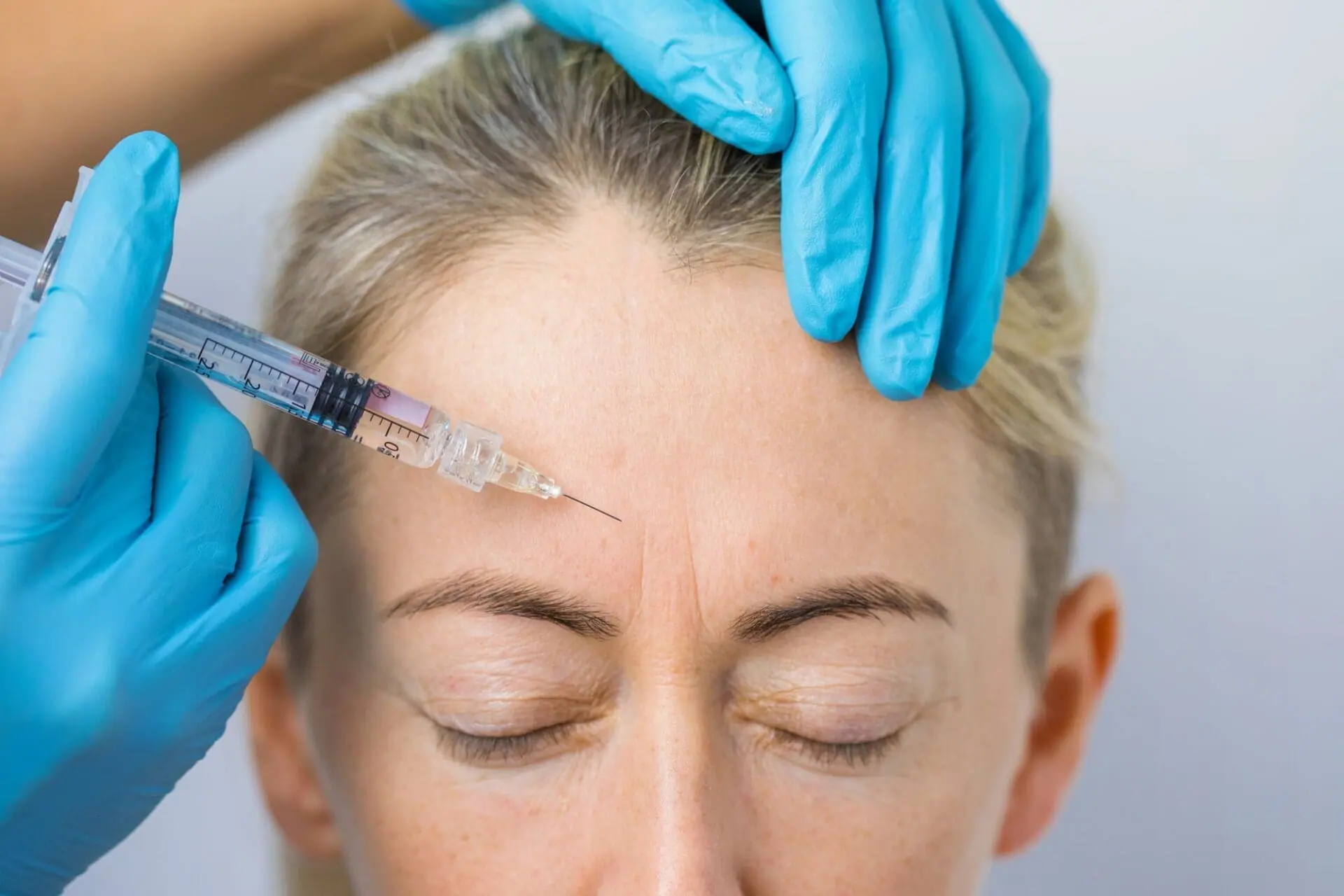
Neither Xeomin® nor Botox® is better for everyone’s wrinkles. Both are approved by the FDA for 3 upper-face line types in adults: frown lines, forehead lines and crow’s feet. Xeomin is made without accessory proteins. Choose based on the area, your health, past results and the plan your injector recommends.
Xeomin and Botox compared
| Feature | Xeomin | Botox Cosmetic |
|---|---|---|
| Main role | Softens lines caused by muscle movement | Softens lines caused by muscle movement |
| Approved upper-face uses | Specified frown lines, forehead lines and crow’s feet | Specified frown lines, forehead lines and crow’s feet |
| Formula | Toxin without accessory proteins; includes other ingredients | Different toxin formulation with accessory proteins |
| Units | Specific to Xeomin | Specific to Botox |
| Allergy risk | Still needs a full toxin and ingredient allergy screen | Still needs a full toxin and ingredient allergy screen |
| Is it a filler? | No | No |
This table covers the upper-face uses relevant to this comparison. It is not a complete list of each product’s medical or cosmetic indications.
Read about Xeomin for wrinkles and see the Botox treatment guide for service details. Our wrinkle-relaxers page lists the full clinic menu.
What do both products do?
Both reduce the nerve signals that make the treated muscles contract. Less muscle pull can make an expression line less marked.
Think about a line between your brows. If it deepens when you frown, muscle movement is part of the cause. If it stays visible with your face at rest, the skin itself may also play a role.
An injector should assess both. Changing the brand may not erase a deep crease, and more units are not always the right step.
Neither product adds volume. They do not fill a hollow cheek or act like a skin peel. The Botox alternatives guide explains which concerns call for a different kind of treatment.
What is in Xeomin’s formula?
Xeomin contains the active toxin without accessory proteins.
Xeomin also contains human albumin and sucrose.
If you have had a reaction to Botox, do not assume Xeomin is a safe substitute. Tell your care team which product caused the reaction and what happened. An allergy to the toxin or an ingredient can rule out treatment.
What if Botox no longer seems to work?
Start with a review of the result. Bring the product name, dose and treatment date if you have them.
Your care team can ask:
- Was there less movement after treatment?
- Did a crease stay visible even though the muscle moved less?
- Was the effect assessed too soon?
- Did the plan leave more movement than you expected?
- Was the result different from past visits?
These questions help define the concern. They do not diagnose resistance. One weak or short result does not tell you why it happened.
Do not add Xeomin on top of a recent Botox treatment on your own. The effect of different toxins given together or within several months is unknown. Too much muscle weakness may occur if another toxin is used before the first effect has resolved.
How do speed and duration compare?
There is no universal winner for speed or duration. A fair comparison uses the same treatment area and the same stage of response.
For Botox, Refresh lists first visible changes in 3 to 5 days and the full effect around 2 weeks.
Ask when to review your Xeomin result rather than judging it against someone else’s Botox timeline. Avoid a last-minute switch because of a promised event date.
Refresh’s usual guide for Botox is about 3 to 4 months of effect. Our Botox duration guide explains how to track fading and plan a review.
For upper-face lines, Xeomin should not be repeated more often than every 3 months. Botox Cosmetic has not been clinically evaluated for safe and effective dosing more often than every 3 months. Neither statement is a rule that you must return as soon as that time passes.
How does Xeomin treatment cost compare with Botox?
Beauty Bank members pay $10 per unit for Xeomin or Botox. First-time clients pay $9 per unit (new patients only, 40-unit minimum) for Botox on their first visit. Dysport and Jeuveau are also $13 per unit at the standard rate.
The units are not interchangeable, even when a number looks similar on two treatment plans. A clinician must use the dose for the exact product and area.
Compare the whole treatment cost. Ask which areas are included, which brand is planned and how many of its units would be used. At Refresh, Xeomin is $13 per unit and Botox is $13 per unit, the same standard unit price. All rates are on the pricing page.
For example, a proposed 20-unit Xeomin plan costs $260. A 20-unit Botox plan costs $260. Your injector selects the dose for each product; these examples do not mean the units can be swapped.
The cheapest unit rate is not enough to choose a product. It does not show the full dose, whether the plan suits your face or whether the treatment should be done at all.
What should happen before injections?
Your health history matters as much as the line you want to soften. Share past toxin reactions, prior facial surgery, a drooping lid or brow, and any recent injections.
Do not receive Xeomin or Botox with an infection where it would be injected. An allergy to the toxin or its ingredients also rules out treatment.
Tell your care team about nerve or muscle disease and any breathing or swallowing problems. Bring your medicine and supplement list, including recent antibiotics and muscle relaxants. Ask the prescribing doctor before stopping anything.
Defer cosmetic injections during pregnancy or nursing. Discuss either before treatment rather than assuming a small cosmetic dose makes it suitable.
What are the risks and practical limits?
Bruising, soreness, headache and unwanted muscle weakness may occur. A brow or eyelid can droop. A qualified injector can plan carefully, but cannot promise that side effects will not happen.
Seek immediate medical help for trouble breathing, swallowing or speaking, spreading weakness or vision changes. Do not wait for a planned review if these occur.
Refresh lists injectable visits at 20 to 30 minutes and advises no strenuous exercise for 24 hours afterward. Follow your own care instructions and raise concerns promptly.
Our injectors, led by Vanessa Levine, APRN, NP-C, with Alexandrea Lobosco, APRN, provide injections at Refresh. Book a consultation to review your face and past treatment history. Learn more about Xeomin in Cape Coral or Botox in Cape Coral.
Frequently Asked Questions
Which lasts longer, Botox or Xeomin?
Neither product is proven to last longer for everyone. Refresh’s usual guide for Botox is about 3 to 4 months of effect, and duration varies by person, area and dose. Compare results at the same stage of response, and ask your injector when to review. Our Botox duration guide explains how to track fading.
Is Xeomin cheaper than Botox?
Not at Refresh. Xeomin costs $13 per unit and Botox costs $13 per unit, the same standard rate. Beauty Bank members pay $10 per unit for either. First-time clients pay $9 per unit (new patients only, 40-unit minimum) for Botox. A lower unit price elsewhere does not show the total cost, because the dose depends on the product and area.
Is 50 units of Xeomin the same as 50 units of Botox?
No, units are specific to each product and are not interchangeable. Your injector sets the dose for the exact product and area, so an old Botox unit count is not your Xeomin prescription. For cost only, 50 units of either costs $650 at the standard rate at Refresh.
Who should not get Xeomin?
You should not have Xeomin with an allergy to the toxin or its ingredients, or with an infection where it would be injected. Tell your injector about nerve or muscle disease, breathing or swallowing problems, and recent toxin treatments. Cosmetic injections are deferred during pregnancy or nursing. Your health history decides if treatment fits.
Is Xeomin safe if I am allergic to Botox?
Do not assume it is. Both are botulinum toxin products, so a reaction to Botox needs a review with your care team before any Xeomin. Tell them which product caused the reaction and what happened. Xeomin’s lack of accessory proteins does not make it allergy-safe, and it still contains human albumin and sucrose.
Will Xeomin prevent resistance?
Nothing shows that Xeomin’s formula prevents clinical resistance. If your Botox results seem weaker, have them reviewed first, with the product, dose and date if you know them. One short or weak result does not explain itself. Changing brands does not guarantee a restored response, so do not switch on your own.
Can I switch from Botox to Xeomin at my next visit?
Possibly, after your injector reviews your treatment history and what is left of your last effect. Tell them when you last had any toxin, including for a medical condition. Recent treatment can change the timing or plan. At Refresh, Vanessa Levine, APRN, NP-C, and Alexandrea Lobosco, APRN, both inject, and a consultation covers the switch.
What is the cleanest form of Botox?
There is no medical ranking of these products by “cleanest.” Xeomin is often called a “naked” toxin because it lacks accessory proteins, but it also contains human albumin and sucrose. Every toxin product needs an allergy review and careful dosing, so choose by your health history, the area and your injector’s plan.
No formula can promise the best wrinkle result for every face. Your response and the length of the effect may differ from another person’s.
Use this article to prepare for a clinical discussion, not to select your own dose. Your injector should review allergies, recent treatments and the risks of the proposed plan.